Gib hier den Code ein, den du erhalten hast:

Tricky Women Tricky Realities - Die Festivalleitung im Interview & Kuratierung
Zur Jubiläumsausgabe der Tricky Women durften wir das Festival online begleiten. Wir haben mit den Verantwortlichen des Festivals, Waltraud Grausgruber, Lara Bellon und Lisa Heuschober gesprochen und die drei haben uns ihre Lieblingsfilme aus dem KINO VOD CLUB kuratiert.
Das internationale Animationsfilmfestival feiert heuer ein Vierteljahrhundert Begeisterung für den Animationsfilm. Im Fokus stehen einmal mehr mutige, experimentierfreudige, lustvolle und widerständische Animationsarbeiten von Frauen und/oder genderqueeren Künstler:innen. Im Gespräch gibt das Festivalteam Einblick in die Anfänge und Entwicklungen des Festivals, spricht über Animation als widerständiges Medium, über gesellschaftliche Umbrüche, autobiografisches Erzählen und die besondere Rolle der österreichischen Animationsszene. Außerdem verraten die Drei, welche Jubiläums-Highlights und Programmschwerpunkte das Publikum in diesem Jahr erwarten – und warum gerade jetzt gemeinsame Räume wie dieser wichtiger sind denn je.
HIER geht es direkt zu den Filmempfehlungen aus dem KINO VOD CLUB am Ende des Beitrags, die nach wie vor online bei uns verfügbar sind.
Das auf, für und mit Frauen und/oder genderqueeren Künstler:innen abgestimmte Festival Tricky Women Tricky Realities feiert heuer 25-jähriges Jubiläum, herzliche Gratulation! Waltraud, was war der ursprüngliche Impuls, dieses Festival ins Leben zu rufen und wie hat sich das Festival und seine Ausrichtung im Laufe der Zeit verändert?
Seit 1992 organisieren wir Festivals mit dem Fokus auf Filme von Frauen, getragen von dem Wunsch, Bilder und Stimmen sichtbar zu machen, die sonst zu wenig Raum bekommen – und sie mit zivilgesellschaftlichen Organisationen und Initiativen zu verweben, damit aus Filmen lebendige Begegnungen, aus Inhalten Dialog und aus künstlerischen Impulsen nachhaltige Allianzen entstehen. Als wir den Animationsfilm für uns entdeckten, war das wie das Öffnen einer Welt voller Vielfalt und Kraft – gezeichnet, collagiert, in Filmstreifen eingeschrieben und eingekratzt, grenzenlos frei. Animation erschien uns als das perfekte Medium für ein anderes Narrativ: Hier konnten Rollenbilder aufgelöst, Perspektiven verschoben und alternative Welten sichtbar gemacht werden. Ein Raum für poetische, subversive und zärtliche Gegenentwürfe.
Früh wurde uns bewusst, dass es nicht nur um Präsentation geht, sondern auch um Austausch, Diskurs und die Förderung von Sichtbarkeits- und Teilhabestrukturen. Heute verstehen wir das Festival als internationale Plattform für Frauen und/oder genderqueere Künstler:innen – als Ort der künstlerischen Freiheit, der Vernetzung und der Solidarität.
Hat sich mit den gesellschaftlichen Entwicklungen in der Genderdebatte auch die Art verändert, wie das Festival wahrgenommen wird und das Publikum, das ihr erreicht?
Was früher oft als Nischenprojekt und bewusstes Gegen-Statement zu einer männerdominierten Filmbranche gesehen wurde, wird heute als relevanter kultureller Raum und feministisches Netzwerk wahrgenommen. Gleichzeitig war unser Publikum von Anfang an ein diverses – auch über alle Generationen hinweg. Gerade in Zeiten von Backlash bietet das Festival einen Ort, an dem andere Perspektiven sichtbar werden und künstlerisch verhandelt werden können. Der Fokus auf Frauen und/oder genderqueere Künstler:innen ist dabei nicht nur programmatisch, sondern auch eine klare Haltung: Wir greifen Fragen von Geschlechtergerechtigkeit und struktureller Ungleichheit aus künstlerischer Perspektive auf und werden dadurch inter/national als wichtige Plattform wahrgenommen.
Das Festival trägt den Zusatz Tricky Realities. Wie wichtig ist euch der Bezug zu gesellschaftlichen und politischen Umbrüchen in der Programmierung?
Seit 2001 arbeitet Tricky Women Tricky Realities an der Schnittstelle von Animationskunst, Kinokultur und zivilgesellschaftlichem Engagement. Dabei war und ist es das Ziel, vielfältige feministische Räume zum Kennenlernen, Vernetzen, Solidarisieren und Lernen zu schaffen, die Möglichkeit zur gegenseitigen professionellen, kreativen, politischen und gesellschaftlichen Unterstützung eröffnen. So bringt sich das Festival selbstorganisiert in die Historisierung, Theoretisierung und Weiterentwicklung feministischer Diskurse ein. Der Name des Festivals wurde 2019 von Tricky Women zu Tricky Women Tricky Realities geändert, um diese Position des Festivals an der Schnittstelle von Animation und zivilgesellschaftlicher Arbeit zu betonen. Dem Festival war es immer schon wichtig, Animation als Medium zu verstehen, das eine Verbindung zu den gelebten Erfahrungen von Frauen und/oder genderqueeren Personen herstellt und kollektive Auseinandersetzungen mit diesen ermöglicht.
Was macht für euch das Medium Animationsfilm so interessant?
Die britische Animationskünstlerin Vicky Smith beschreibt Tricky Women Tricky Realities als „Streben nach der fantastischen Vision, sich eine Welt vorzustellen, die anders ist als jene, in der wir derzeit leben“. Während die Filmkritikerin Amanda Barbour über das Festival schreibt: „Tricky Women Tricky Realities erobert der Animation ihren Platz als ästhetisch innovative, semantisch provokative Bewegung zurück, die vorherrschende Vorstellungen davon herausfordert, was ‚ist‘, indem sie dramatisiert, was ‚sein könnte‘.“ Damit zeigen beide das große Potenzial der Animation auf, mit dem auch wir arbeiten: Nicht nur das Potenzial, vertraute Strukturen des Erzählens neu anzuordnen, Normen zu hinterfragen und mit dominanten Narrativen sowie Erwartungen zu brechen. Das Festival ist voller Geschichten und gelebter Erfahrungen, die gegenwärtige Dringlichkeiten veranschaulichen und es wagen, sich eine Welt vorzustellen, die anders ist als jene, in der wir derzeit leben.
Welche inhaltlichen Auseinandersetzungen und Erzählweisen fallen euch im aktuellen Animationsschaffen besonders auf?
Animation schafft es auf außergewöhnliche Weise, Sprachen für innere wie äußere Welten zu finden, diese zugänglich zu machen, in Verbindung miteinander und zu einem Publikum zu setzen. Diese Stärke nützen viele Filmemacher:innen in aktuellen Arbeiten, um (auto-)biografische Erzählungen – um persönliche Erfahrungen und Erinnerungen für andere zugänglich zu machen. In der Festivalausgabe 2026 verschreibt sich das Format des Artist Talks diesem Aushandlungsprozess zwischen Nähe und Distanz, die (auto-)biografischem Erzählen zugrundeliegen und bringt Filmemacher:innen ins Gespräch, die sich aus feministischer Perspektive dieser feinen Grenze zwischen Privatheit und Öffentlichkeit annähern. Die Auseinandersetzung mit „dem Selbst” – den eigenen Erfahrungen und dem Wunsch, diese aus eigener Perspektive zu definieren und festzuhalten – ist dabei jedoch nichts Neues im Animationsfilm. Animation wird schon seit Langem von Frauen und/oder genderqueeren Personen als Möglichkeit genutzt, dem Selbst nachzuspüren, es in seiner Mehrdeutigkeit sowie ständiger Um- und Neuformung zu erfahren und damit auch jenseits äußerer Definitionen zu historisieren. Zur Feier des Jubiläums präsentiert Tricky Women Tricky Realities im Rahmen des Jubikäumsprogramms FLICKERING SELVES Arbeiten von 1973 bis 2025, die sich durch materialbasierte Animation zu feinfühligen Selbstportraits entwickeln. 
Zur Einstimmung auf das Festival zeigen wir ein Kurzfilmprogramm österreichischer Filmemacherinnen. Welche Traditionen und Besonderheiten zeichnen das heimische Animationsfilmschaffen aus? Gibt es hierfür Beispiele aus dem Programm?
Das österreichische Animationsfilmschaffen zeichnet sich durch eine experimentelle Tradition aus. Malerei, Performance und formale Experimente, oft aus der bildenden Kunst kommend, prägen viele Filme. Statt großer Studios dominieren unabhängige Kurzfilme, die häufig sofort als persönliche künstlerische Handschrift einzelner Filmemacher:innen erkennbar sind. Viele Künstler:innen arbeiten medienübergreifend: Sie bewegen sich zwischen Film, Performance, Musik und anderen Ausdrucksformen, wechseln Rollen und Formate und erweitern so kontinuierlich die Möglichkeiten des Animationsfilms. Die öffentlichen Fördergelder sind im internationalen Vergleich minimalst, was das kreative Schaffen stark prägt: Unabhängigkeit und Experimentierfreude werden so quasi zur Notwendigkeit. Alle gezeigten Filme vermitteln genau das und greifen dafür auf unterschiedlichste künstlerische Techniken sowie narrative und ästhetische Strategien zurück! 
Gibt es persönliche Festivalmomente, die für euch besonders fürs Tricky Women stehen?
Die besonderen Momente sind eben die, in denen Vernetzung und Austausch sichtbar wird – wenn sich beispielsweise Animationskünstler:innen unterschiedlicher Regionen oder Generationen (das erste Mal) persönlich treffen, aufeinander eingehen, ihre Werke selbst in Dialog miteinander setzen und weiterentwickeln oder einfach gegenseitige Begeisterung füreinander ausdrücken. Andere Momente sind jene, in denen feministische Diskurse gemeinsam mit dem Publikum reflektiert und weiterentwickelt werden und die großzügige Möglichkeit eröffnet wird, voneinander zu lernen.
Neben unserem gemeinsamen Onlineprogramm, welche Highlights erwarten uns bei der Jubiläumsausgabe?
Eine Besonderheit bieten dieses Jahr drei kuratierte Jubiläumsprogrammen, die eine Auswahl an Animationsarbeiten aus den letzten 25 Jahren des Festivals präsentieren. Dabei werden die Arbeiten nicht durch nostalgische Linse betrachtet, sondern aus der Gegenwart heraus gefragt, wie sich die Betrachtung der Filme möglicherweise verändert hat, welche Fragen und Auseinandersetzungen dadurch heute neu oder noch immer stattfinden können. Die Programme bringen dabei nicht nur Arbeiten verschiedener Jahrzehnte zusammen, sondern auch deren Macher:innen: Für die Jubiläumsausgabe hosted Tricky Women Tricky Realities Filmemacher:innen verschiedener Generationen – von Pionier:innen der Sandanimation bis zu Studierenden, die ihre ersten Arbeiten präsentieren. So möchte Tricky Women Tricky Realities 2026 gemeinsam mit langjährigen Wegbegleiter:innen und neuen Gefährt:innen vor allem auch lautstark Geburtstag feiern!
Und zum Schluss, euer persönlicher Pro-Tipp fürs Festival?
Ein besondere Möglichkeit für die Auseinandersetzungen mit Animationskunst – für Filmemacher:innen wie Publikum – ist jedes Jahr das Internationale Forum im Filmmuseum. Das Internationale Forum versteht Film als Möglichkeit für Begegnung, Vernetzung und gemeinsamen Austausch über künstlerische Strategien, sowie Animationskunst als Möglichkeit, feministische Auseinandersetzungen zu verbreit(er)n. Rückblickend auf ein Vierteljahrhundert, in dem Tricky Women Animationsfilmgeschichte nicht nur begegnet ist, sondern diese durch aktiven Austausch mitgestaltet, fragt das Internationale Forum 2026 nach Strategien und Gesten feministischer Historisierung: Wer macht Geschichte, wessen Geschichten werden historisiert?  Im Rahmen des Internationalen Forums findet mit dem Programmpunkt IN CONVERSATION: CAROLINE LEAF ein außergewöhnliches Highlight des Festivals statt: Dem Publikum wird die Möglichkeit geboten, in Austausch mit der Animationskünstlerin Caroline Leaf zu treten – einer Pionierin und Meisterin der Sandanimation, der Mal-auf-Glas-Technik und Scratch-on-70 mm.
Vielen Dank für das Gespräch, wir freuen uns auf das Festival!
Die persönlichen Empfehlungen der Festivalleitung aus dem KINO VOD CLUB*:
Filme, denen wir Plattform geben, möchten bekannte Erzählstrukturen und Sehgewohnheiten aufbrechen, neue Welten imaginieren oder jene durchkreuzen, in der wir leben. Die Filme dieser Auswahl tun all das – auch, indem sie erzählerisch wie ästhetisch herausfordern, Humor bewahren, über die Stränge schlagen und/oder besonders feinfühlig sind.
Waltraud Grausgruber, Lara Bellon & Lisa Heuschober
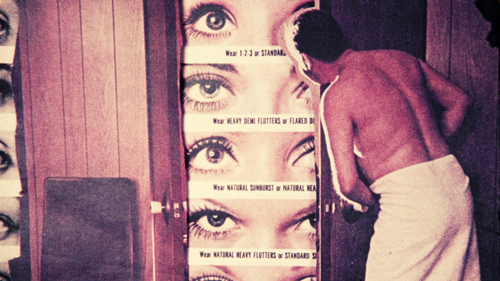 Kurzfilmprogramm: Animationsfilme von Maria Lassnig Kurzfilmprogramm: Animationsfilme von Maria Lassnig |
 Kurzfilmprogramm: (Selbst)Porträts von Maria Lassnig Kurzfilmprogramm: (Selbst)Porträts von Maria Lassnig |
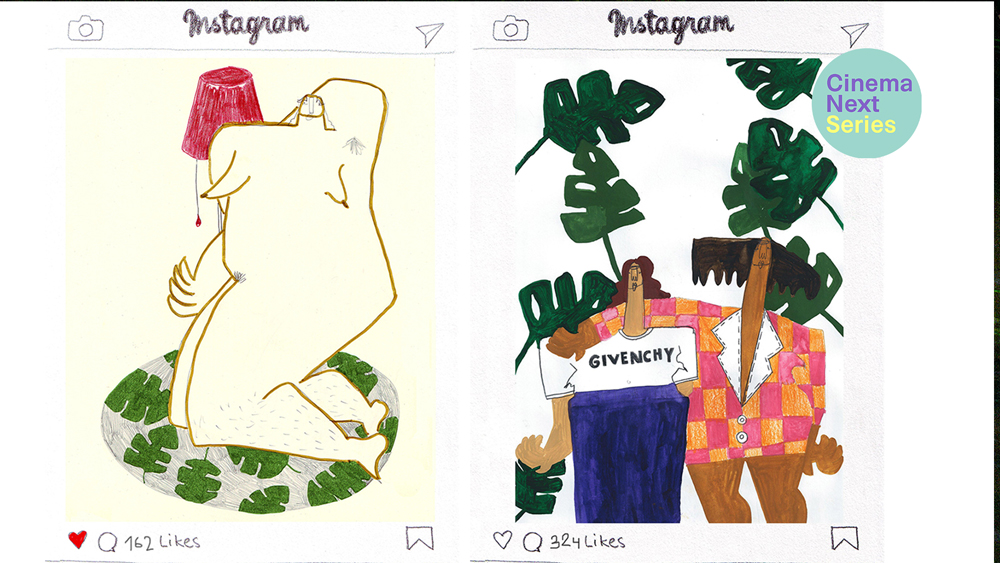 Nudes and Croissants – Eine Trilogie von Dina Bukva Nudes and Croissants – Eine Trilogie von Dina Bukva |
 The Woman Who Turned Into A Castle & In Her Boots von Katharina Steinbach The Woman Who Turned Into A Castle & In Her Boots von Katharina Steinbach |
 Die Dohnal von Sabine Derflinger Die Dohnal von Sabine Derflinger |
 Rote Ohren fetzen durch Asche von Hans Ashley Scheirl Rote Ohren fetzen durch Asche von Hans Ashley Scheirl |
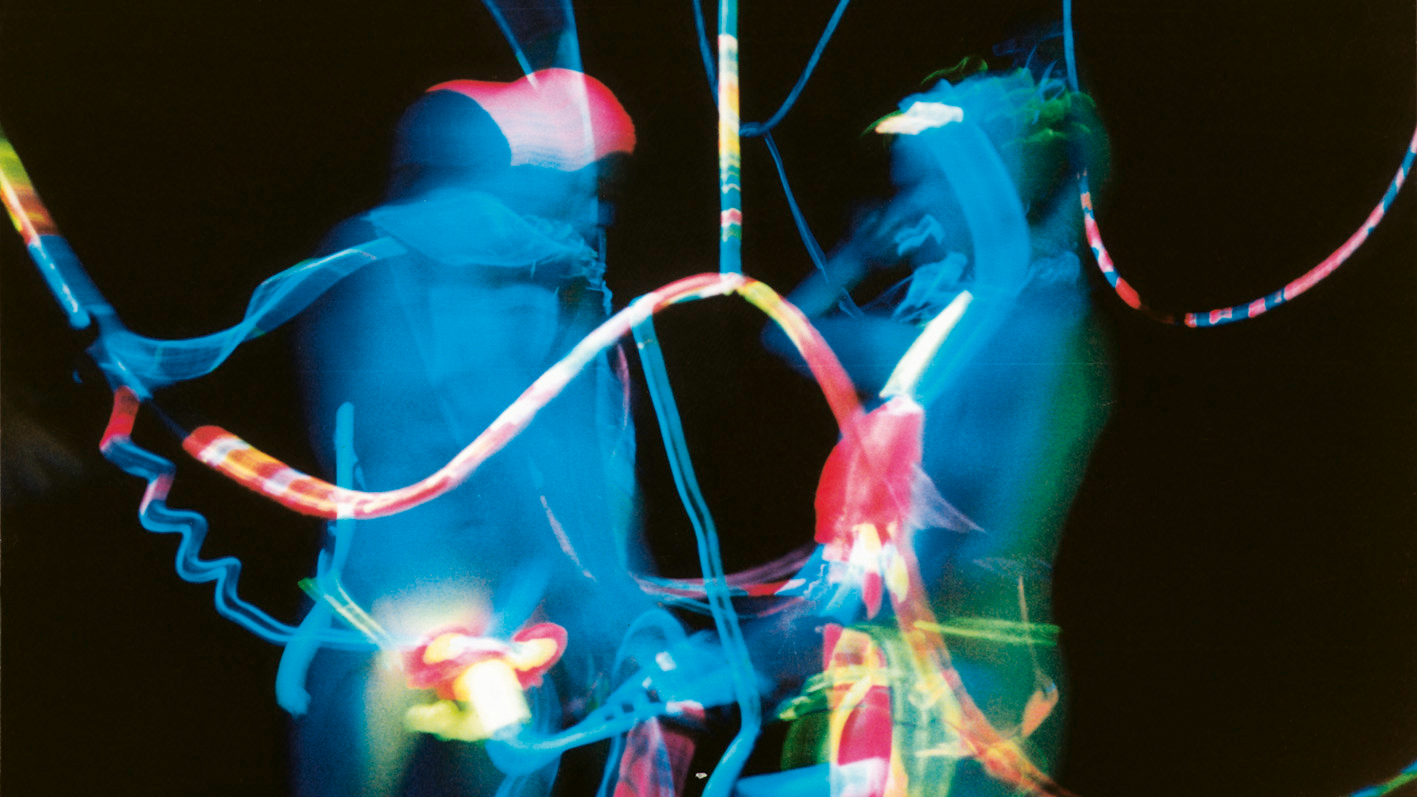 Dandy Dust von Ashley Hans Scheirl Dandy Dust von Ashley Hans Scheirl |
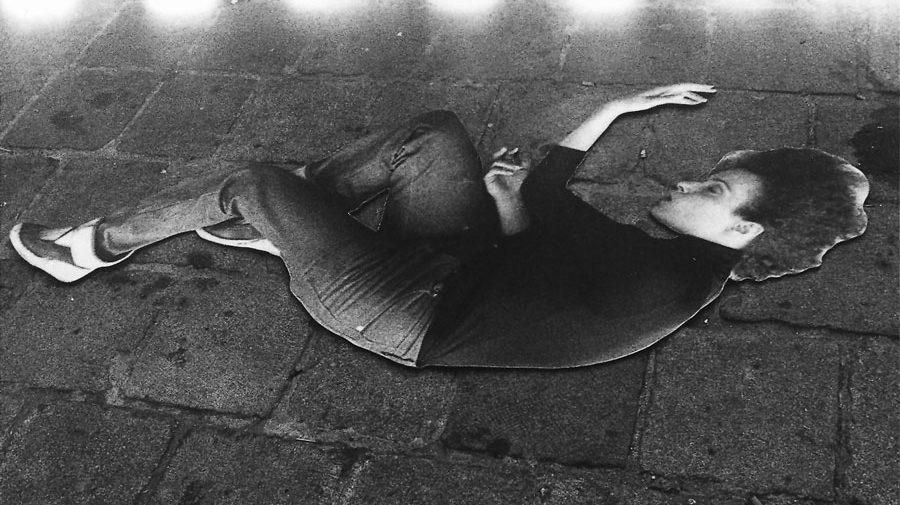 Unsichtbare Gegner von Valie Export Unsichtbare Gegner von Valie Export |
 Sie ist der andere Blick von Christiana Perschon Sie ist der andere Blick von Christiana Perschon |
 C-TV (Wenn ich dir sage, ich habe dich gern…) von Eva Egermann, Cordula Thym C-TV (Wenn ich dir sage, ich habe dich gern…) von Eva Egermann, Cordula Thym |
 Ein Tag ohne Frauen von Pamela Hogan Ein Tag ohne Frauen von Pamela Hogan |
* Die Filme aus der Kuratierung sind bis auf die beiden Maria Lassnig-Programme aus lizenzrechtlichen Gründen leider nur in Österreich verfügbar. |
Credits: Headerbild Carolina Frank
